Growing Together: How Professional Learning Shapes the Schechter Bergen Classroom

By Liav Shapiro
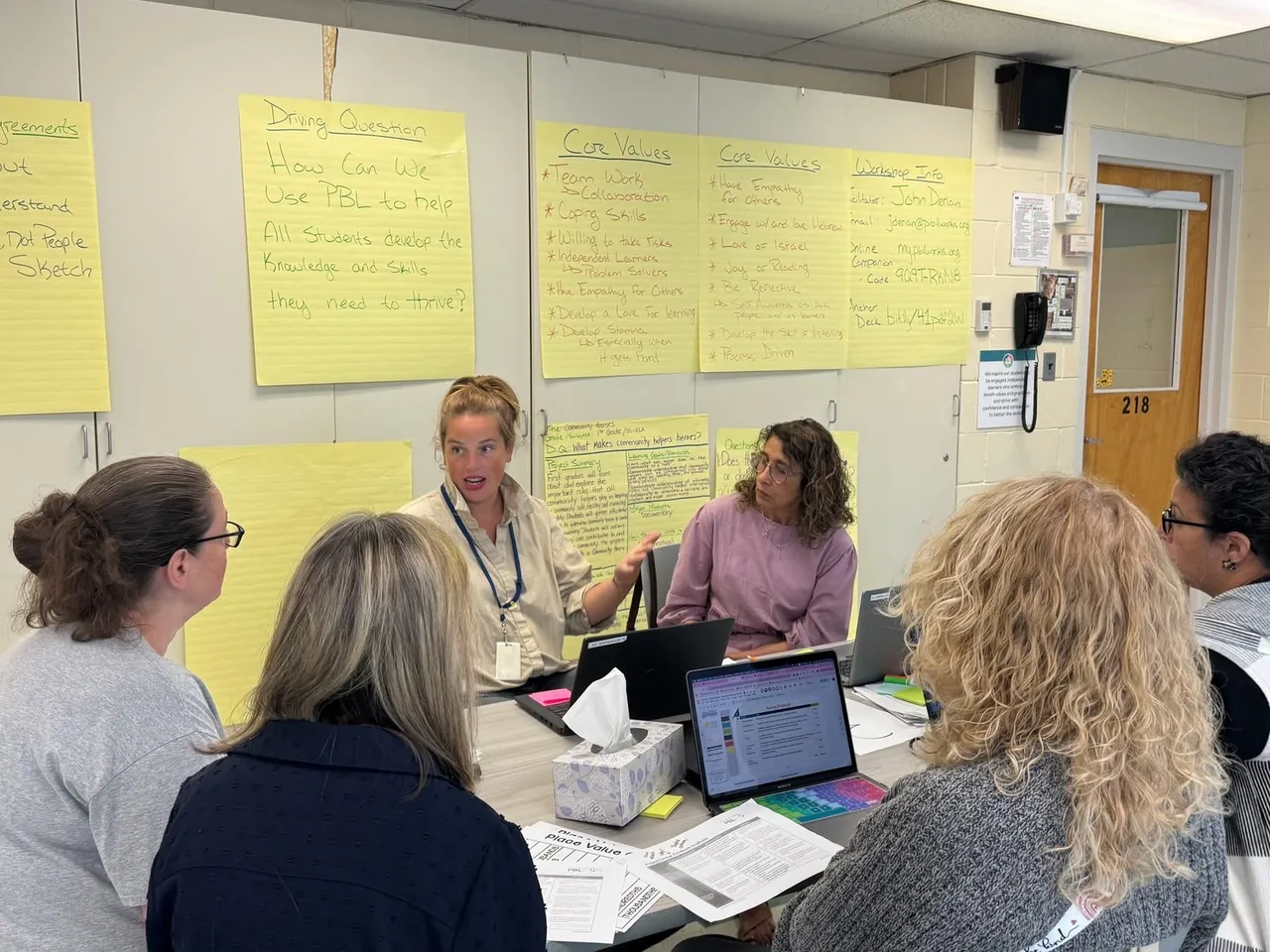
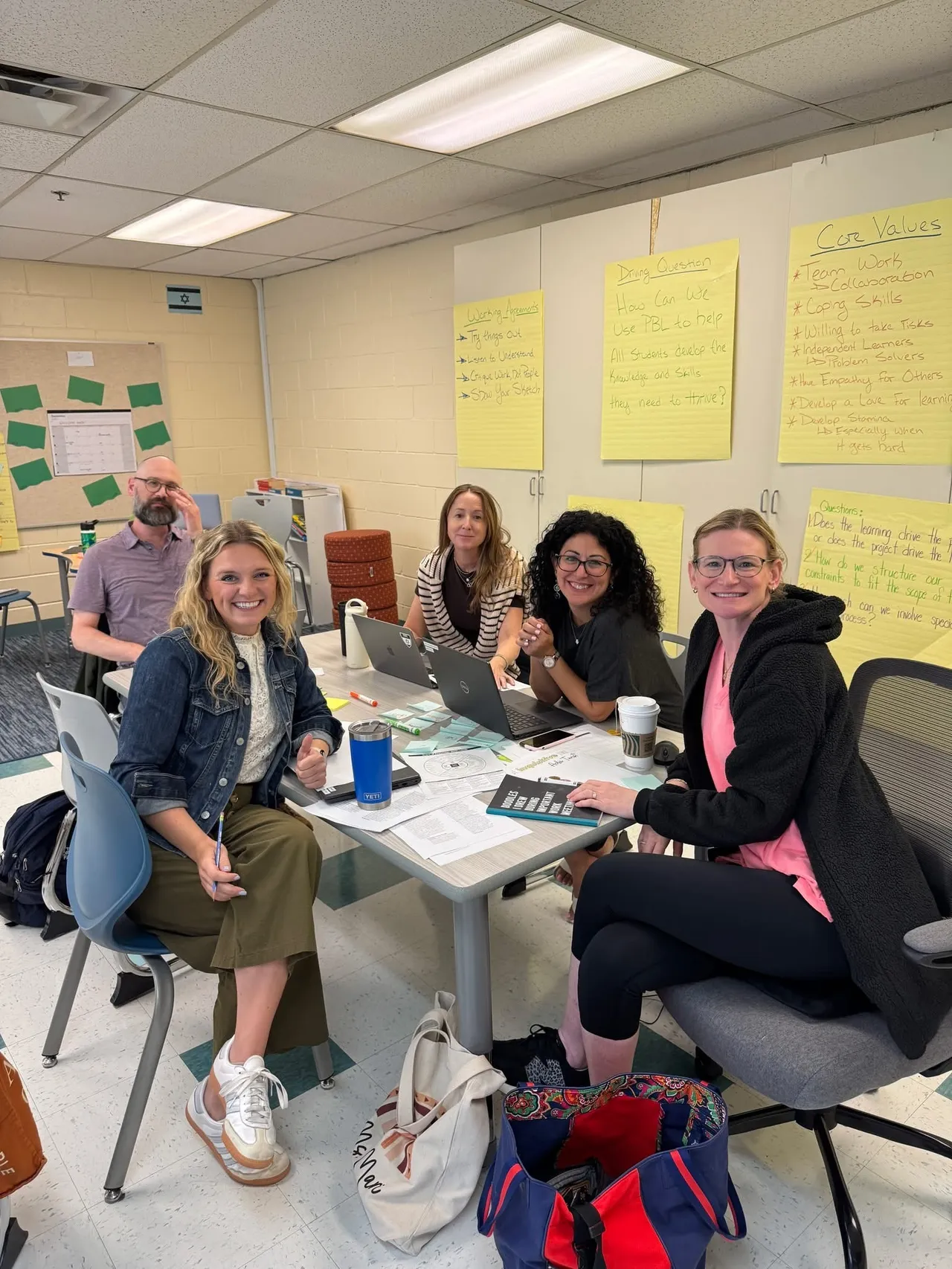
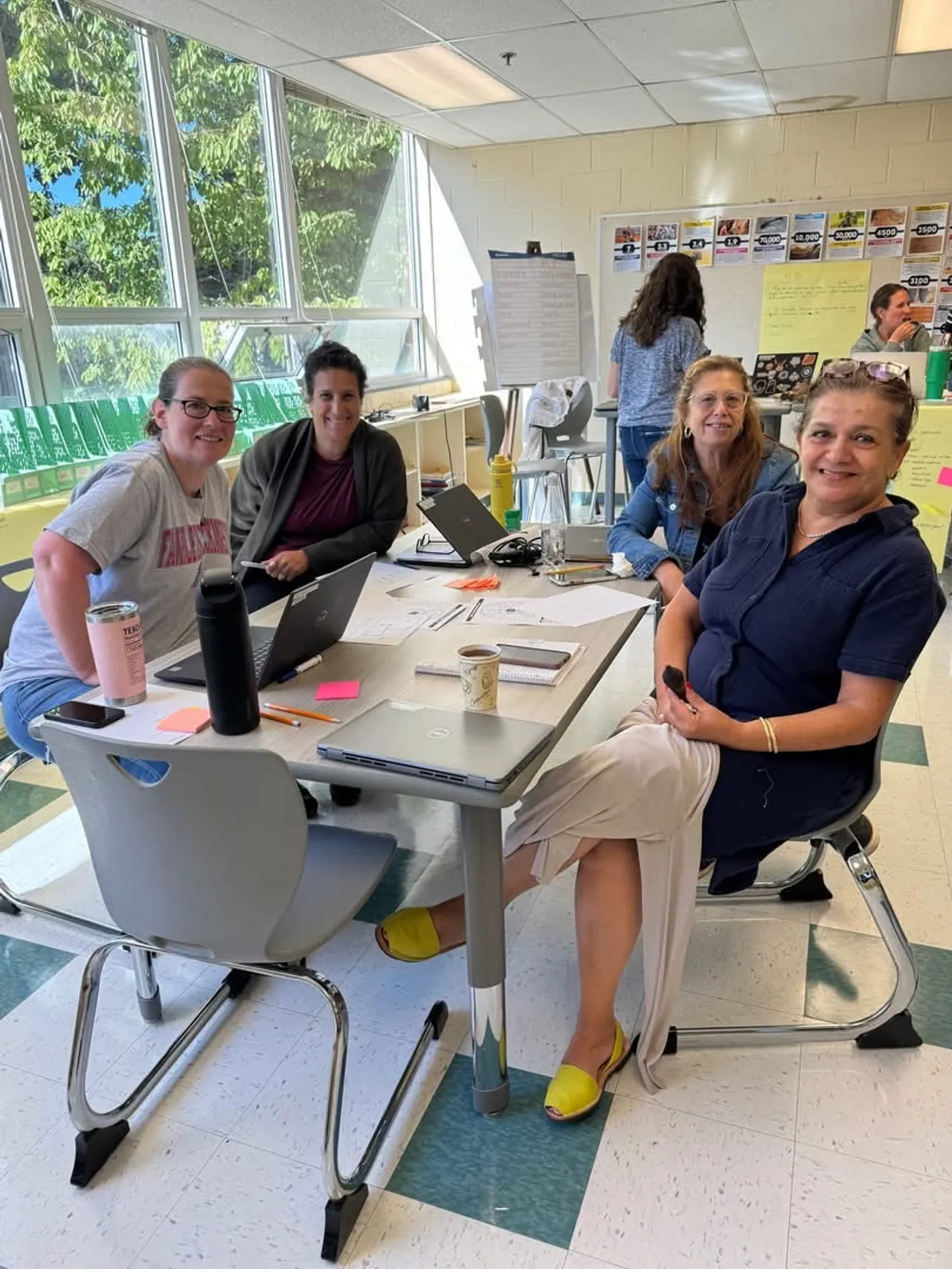
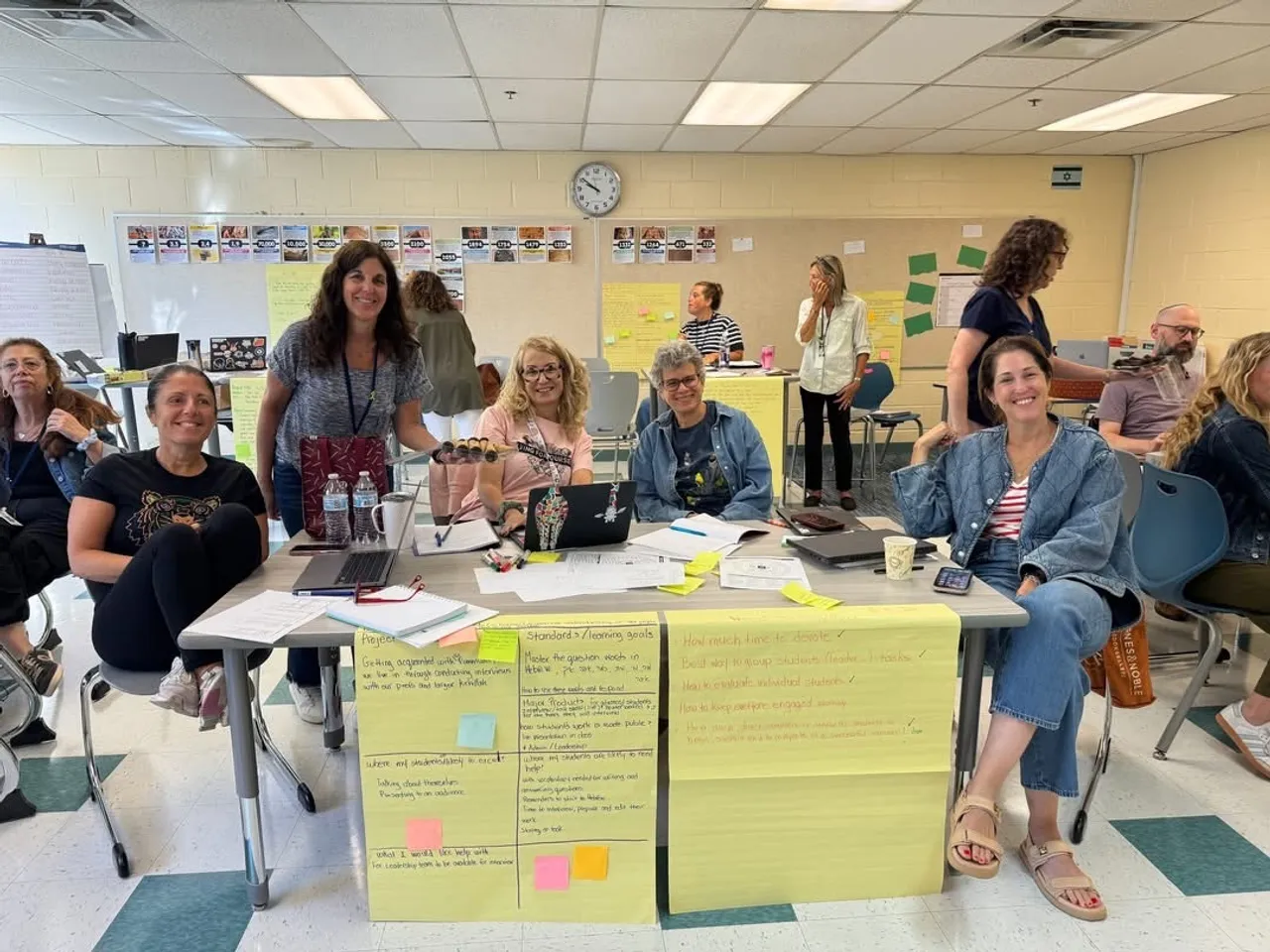
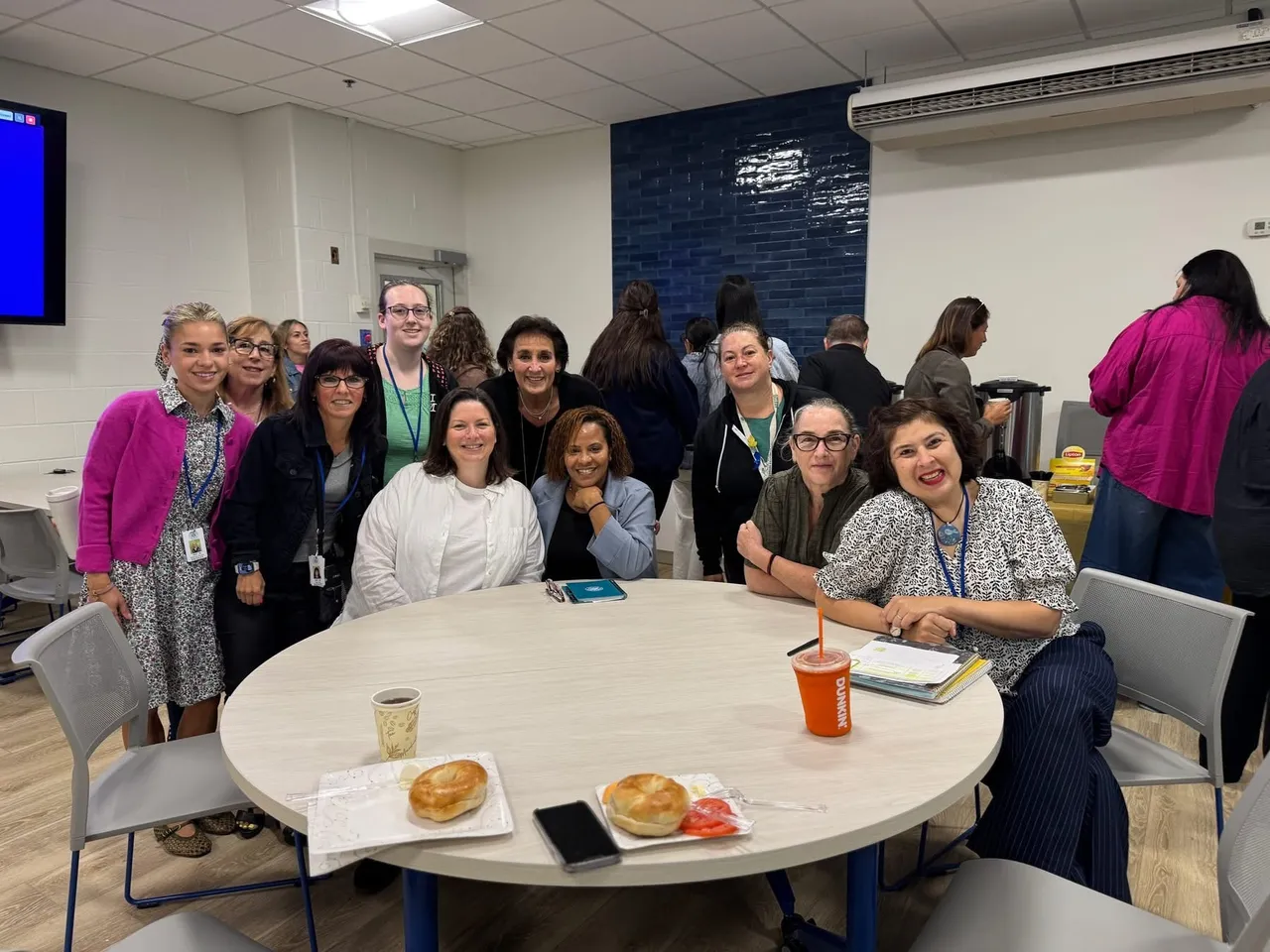
It has been said that the teachers who inspire learners are those who never stop learning themselves. Just as we ask our students to take intellectual risks, stay curious, and grow through feedback, we hold that same expectation for ourselves, as educators. Investing in teacher professional development, what we sometimes call professional learning, isn't a checkbox on a "to do" list. It's a reflection of who we are and what we believe great education requires. In recent years, Schechter Bergen has invited some of the most respected voices in education to work directly with our faculty, including representatives from Responsive Classroom, PBL Works, and Hebrew at the Center.
Our teachers received training in Responsive Classroom, a research-backed approach that transforms the way we build community, structure our learning environments, and speak with children. You see it displayed in the quiet hand a teacher raises, in our Morning Meetings that open each day with intention, and in the language we use to redirect and affirm. This shared vocabulary of care runs through every classroom in our 1-8 Kehillot, building the relationships and community structures that serve as the strong foundation for rigorous learning.
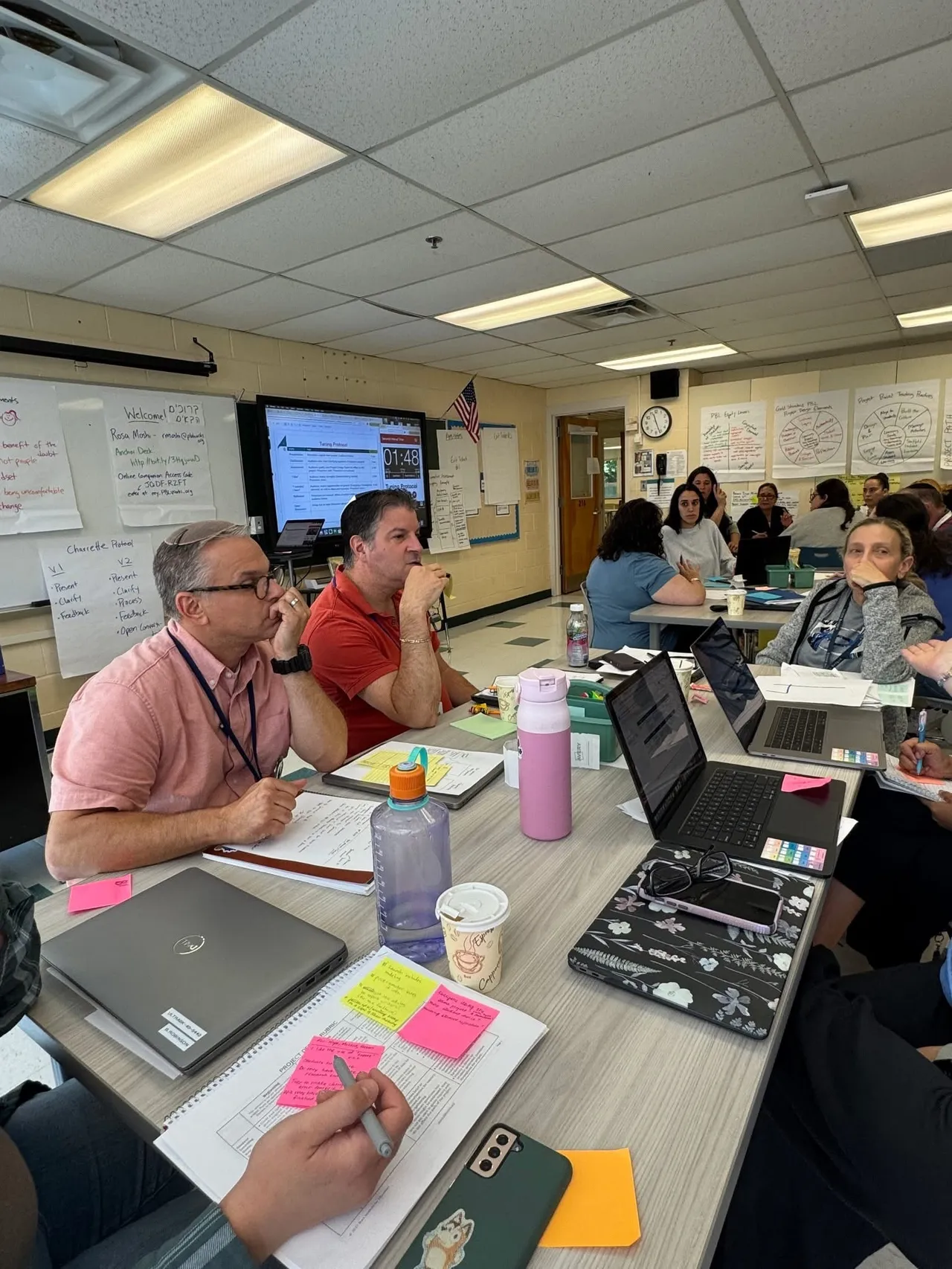
We also engaged in intensive Project Based Learning with PBL Works, bringing in expert trainers to guide our teachers through the design principles of high-quality, student-centered, real-world projects. This work challenged our faculty to build units of study that revolve around authentic problems and real-world connections, asking a fundamental question: who should be doing more of the thinking in the classroom, the students or the teacher? Our teachers have worked to design experiences where student curiosity leads and teachers scaffold and facilitate. We are inspired by the robust projects and rich collaborative conversations that have followed and look forward to continuing this work.
Hebrew at the Center has brought a renewed pedagogical lens to our Hebrew and Judaics studies, focusing on authentic language acquisition, meaningful text engagement, and a vision of Hebrew as a living language, not just an academic subject. Teachers have engaged in cycles of lesson development (plan the lesson, teach the lesson, revise the lesson, try again). This iterative process has enabled our teachers to enhance their instructional practices, focusing on strengthening language acquisition of each of our students.
What Are We Learning From Each Other?
Some of our most immediately impactful professional learning experiences have originated from faculty-led initiatives. For example, three years ago, we began exploring the Heggerty Phonemic Awareness Program. Two of our Learning Specialists took the lead in building their own expertise, and then facilitating staff training. Heggerty has since been implemented in Pre-K through third grade. We have seen a direct impact as our student's phonemic awareness skills have significantly increased as evidenced by repeated gains on the Dibels Reading Assessments.
Universal Design for Learning (UDL) has shaped the way we think about teaching and learning, grounded in the belief that when students have multiple pathways to demonstrate their knowledge, they are better able to show the depth of their understanding. In addition to traditional quizzes and tests, you may have noticed your child preparing for a presentation, writing assignment, or group project. Evidence of deep learning can be seen in a written response, a visual, a conversation, or physical model.
How Does Professional Learning Turn Into Lasting Practice
In the weeks and months that follow professional learning, we intentionally plan for opportunities for our educational leadership to follow up with teachers, supporting them in their planning and coaching them in the classroom. Teachers have access to curriculum support, instructional coaching, and student-centered guidance as part of their daily experience.
Each Kehillah team meets with our instructional leadership every other week where teachers brainstorm and create plans for students together. These meetings become intentional spaces of embedded professional learning. Teachers examine student work, troubleshoot instructional challenges, and plan together with the facilitation and support of members of our leadership team.
Our weekly Wednesday afternoon professional development time is used for curriculum planning, important schoolwide instructional planning, teacher team planning, and coaching conversations focusing on curriculum and instruction. Our Leadership Team is present in classrooms, in hallways, and in those conversations, offering real-time support that meets teachers where they are.
What Does This Mean for My Child and Our Schechter Bergen Kehillah?
When teachers grow, students feel it in classrooms that are organized and calm, where they know what's expected and feel safe to take risks. They feel it in projects that ask them to think, not just recall. They feel it in teachers who meet them where they are, offer multiple ways in, and honor the diversity of how they learn. Children are held to a higher standard, being given opportunities to speak, write, read, and analyze across our dual curriculum.
We are proud of the investment we make in our teachers because it is, ultimately, an investment in every student who walks into our Kehillah. Pirkei Avot asks, "Who is wise? One who learns from every person." We take this question seriously. Our teachers learn from researchers and expert trainers, from their colleagues down the hall, and from the children sitting in front of them every day. This work is never finished, and that's exactly the point. We are all, always, growing together.
- Liav Shapiro Director of Instruction and Learning

Schechter Bergen admits students of any race, color, national and ethnic origin to all the rights, privileges, programs, and activities generally accorded or made available to students at the school. Schechter Bergen does not discriminate on the basis of race, color, national and ethnic origin in administration of our educational policies, admissions policies, scholarship and loan programs, and athletic and other school-administered programs.