
Bullying – A Matter of Definition (Part I)

By Steve Freedman
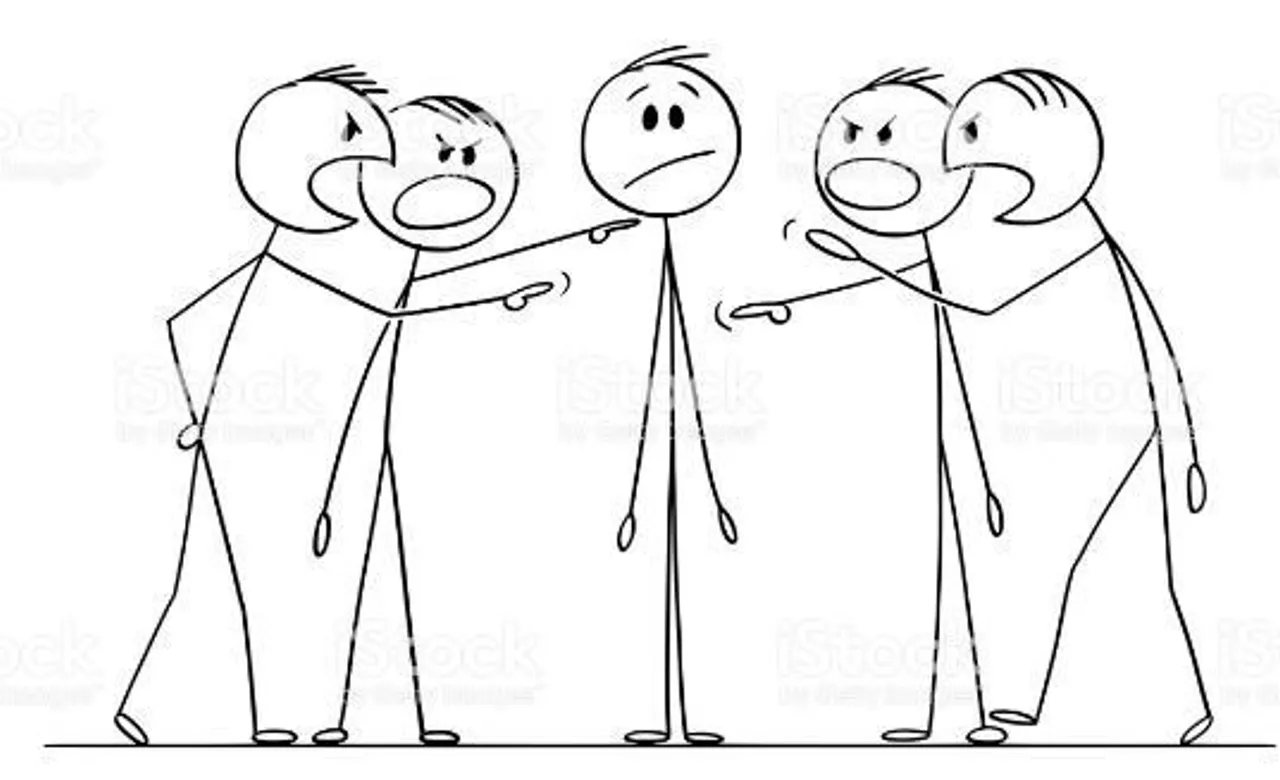
A few years ago, I read an article addressing the issue of bullying in the educational journal, Independent School Magazine. It was titled, “Why Our Approach to Bullying is Bad for Kids,” by Susan Porter. Porter set out to investigate the apparent surge in bullying among children, as widely reported in multiple media. What she learned was that the incidence of bullying had not so much increased, but that the definition of bullying had changed and expanded.
Bullying used to be defined by acts of physical or emotional harassment between children; usually where a power imbalance exists, when a smaller child is beaten up, or is exposed to repeated hate speech. Now, however, bullying often includes all sorts of behaviors, including social exclusion, name-calling, teasing, and generally being unfriendly. The negative outcomes of bullying have also expanded from school phobia and depression to include feeling upset or being sad. Porter learned in her research that bullying now incorporates “routine” acts of selfishness, meanness, teasing, and other social misfires that characterize the typical ills of childhood and adolescence.
What is troubling to Susan Porter (and to me) is that what used to be considered normal childhood behaviors are now viewed and often treated as pathological and dangerous. In a misguided effort to prevent all children from feeling any pain or discomfort from unsuccessful social interactions, we adults have unfortunately created unrealistic guidelines for our children’s behaviors. Like many other aspects of our lives, adults seem to be trying to create a construct for children that, in the end, effectively inhibits a child’s ability to learn from mistakes and develop resilience in the face of adversity. There are real consequences to this shift in attitude and behavior.
Porter believes that using the label “bully” generates a fixed mindset that speaks to a child’s character rather than a child’s behavior. When we label a child a “bully” or a “victim,” not only do adults tend to view these children in that context, children themselves, who are very concrete, begin to see themselves through the lens of the label, often to their detriment.
She also argues that when we embrace this fixed mindset, it lets everyone off the hook of doing the difficult work of helping children truly change behavior, and develop compassion and empathy. It also impedes a child’s ability to learn how to face adversity and develop resilience, all of which take time and patience. In this way, adults prevent children from growing, and these situations are exacerbated by the divisiveness it can cause between parents and between parents and school. More recent research and articles further validate Porter’s findings and concerns.
Abandoning the rhetoric that has overtaken this issue, and investing our energies in understanding normal childhood development, are among Porter’s recommended remedies, as well as developing policies and programs that foster a growth mindset.
This article continues to resonate with me, as I have long held that the use of the terms “bully” and “victim” has run completely amok. All too often, today’s adults have lost perspective, and through their reactions, end up escalating situations well beyond the actual event itself. Our unrealistic desire to protect our children from any and all adversity, failure or discomfort is having the completely opposite result.
As parents and educators, we must help our children reclaim normal childhood development, including learning to cope with and conquer adversity; navigating conflict and failure along with celebrating successes. We need to do a better job distinguishing true bullying from typical, albeit unacceptable, inappropriate social interactions between children, particularly since true bullying tends to be rare. We then need to be prepared to do the hard work of helping our children grow emotionally and socially. This takes time, effort, and patience. As much as some parents look for immediate, punitive consequences, the research clearly shows that does not work. What does work, however, is helping our children change their behaviors and instead, learn how to appropriately respond to challenging social interactions.
Children do not come into this world knowing how to treat others respectfully. Think about the classic novel, “Lord of the Flies.” This book describes the social degeneration of a group of young boys who find themselves alone on a deserted island when left to their own devices free of adult guidance. Developing good character in our children and helping them to learn to take responsibility for their actions and to treat others with respect, takes a lot of time, parental involvement, and effort. A child is most likely to develop a strong character, if that child is deliberately taught. Parents and teachers need to be vigilant at setting expectations, holding children to those expectations, and most importantly, modeling the quality of character we hope to see in our children.
We need to stop looking for quick fixes to protect our children from any adversity, conflict, disappointment, or hurt. Instead, we need to help children learn to resolve conflict in a positive manner and become resilient, self-confident people. We accomplish this through fostering positive character development and helping students learn, in a positive manner, the consequences of their actions and choices. Finally, it is critical that we adults understand how children grow emotionally, socially, and cognitively when addressing our children’s needs and issues.
Fortunately, we imbue our school’s fabric with Jewish values and learning. Ours is a community that emphasizes Derekh Eretz [common decency in how we treat each other]. Mutual respect is a fundamental expectation, as is tolerance and acceptance of differences. Our children are on the right path and will stay there as long as the adults in their lives – parents and teachers – remain vigilant. We must constantly talk to our children about appropriate and respectful behavior and hold them fully accountable when they fall off this path. We believe we are all created in God’s image. We are all sacred. We all deserve respect and to feel safe, especially at Schechter.

Schechter Bergen admits students of any race, color, national and ethnic origin to all the rights, privileges, programs, and activities generally accorded or made available to students at the school. Schechter Bergen does not discriminate on the basis of race, color, national and ethnic origin in administration of our educational policies, admissions policies, scholarship and loan programs, and athletic and other school-administered programs.