
A Cautionary Tale about Technology and Social Media

By Steve Freedman
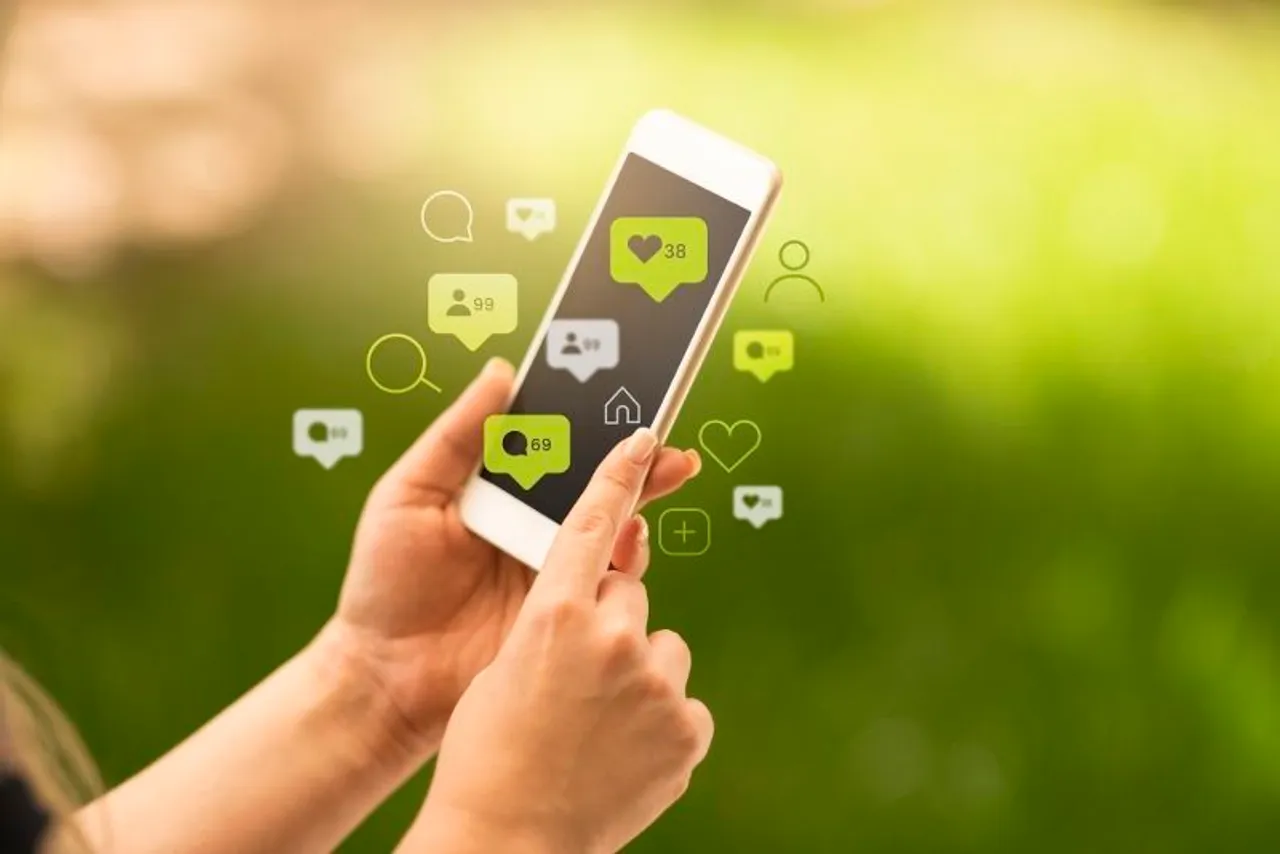
The Child Mind Institute reports that an eighth grader’s risk for depression jumps 27 percent with frequent use of social media.
In 1908, the first highly successful Model T was introduced, cars in the city of Detroit were seen as a vexing problem. That summer, 31 people were reportedly injured or killed after being hit by a car, or after a car accident. Many more deaths were reported. In those days, there was little understanding of speed, and people trusted horses to keep them safe more than they trusted a person behind the wheel of a car. As the Detroit News reported in a retrospective 2015 article, the nation was, at the time, in the throes of a chaotic and menacing problem: cars driven by inexperienced drivers, and the absence of guidelines on how to navigate this life-changing mode of transportation.
The chaos of the day required new thinking to manage this new technology, and Detroiters came up with stop signs, traffic lights, and lane lines, to bring order and safety to this new invention that terrified the masses. (Some people thought that getting into a car was akin to getting into a moving bomb ready to explode.)
Cars came onto the scene and changed our way of life before we fully comprehended their advantages – and their problems. Eventually, we figured out how to manage traffic (sort of), and created laws to enforce speed, and protect pedestrians and other drivers. Over time, we built safer cars, and passed seat belt laws. And while too many people are still killed in car accidents, driving today is safer than ever.
We are now experiencing our own “1908.” The Internet exploded onto the scene in the 1990’s, followed by social media, forever changing our society and how we interact with one another. Most of us remain enamored by being able to connect with people all over the world, to “surf the web,” and buying almost anything we want from the comfort of our sofas.
And, like television before it, computers and the Internet have also been embraced as tools that have revolutionized our schools, and improved education. There is still lingering talk in some circles that online learning will effectively replace teachers. But just as television did not supplant teachers, neither has the Internet.
In truth, the shine has worn off of the Web, and reality has set in. We understand that the Internet and social media are deeply flawed and can be dangerous. Countless articles outline the ills of social media, and how poorly and ineffectively technology is used in many schools. Every article draws the same conclusion: By design, we have become slaves to our personal devices through the commercial strategies of Apple, Facebook, Google, YouTube, Snap chat, Twitter, and Instagram. YouTube auto play, for example, captures our kids’ attention with video after video for hours each day. The big players in this space have a lot to gain by keeping us attached to our devices – the more traffic, the more advertising revenue. As Tristan Harris, a former Google product manager, and founder of Time Well Spent says, “This technology steers what two billion people are thinking and believing every day.”
For users, the loss of time and meaningful engagement between family members is obvious, and has real, negative implications. In addition to the addictive power of the Internet, some research has identified a connection between excessive use of social media and depression. The Child Mind Institute reports that an eighth grader’s risk for depression jumps 27 percent with frequent use of social media. Other reports correlate a spike in teen depression with the launch of the iPhone. (There is more recent research however, that refutes some of this earlier research, making it all the more confusing to ascertain the real implications of social media on our children.)
MIT Psychologist Sherry Turkle discovered that many Silicon Valley professionals – knowing the risks surrounding too much technology – limit their own children’s use of technology and social media, going as far as to send them to schools with limited or no technology at all.
On one hand, we know that social media connects us to more people more frequently; however, we also know that these connections are often superficial and lack meaning or substance. Teens today are less likely to socialize in person, so in the end, they actually feel more isolated and lonely.
My son Yoni, who worked at Google and now is at Reddit, a social news aggregator, recalls that when he was in middle school and learned on a Monday that he wasn’t invited to a particular party over the weekend, the hurt he felt was transitory. Today, our kids routinely find out in real-time about their social exclusion through social media. This exacerbates feelings of loneliness and isolation. Another destructive aspect of the Internet for our children is the growing prevalence of cyber-bullying.
Now that we know the pitfalls of the Internet and social media, we need a remedy. I believe each of us has a role to play. Large tech companies have an ethical responsibility to manage their bottom lines and focus more on what is better for humanity. We parents must more closely monitor our children, and, yes, delay giving them personal devices and access to social media. The average age of a child receiving a first device is now 10. This is too young to use it responsibly.
Teaching responsible use of technology in schools that deploy it as a learning tool must also be a high priority, as it is at Schechter. This includes helping our students manage the amount of time they spend using technology, and how to use it ethically, legally, and safely. Schools also have to invest more time using the technology for deeper, more meaningful, and creative learning, or we shouldn’t bother using it at all. We need to both develop and institute technological equivalents to stop signs, traffic lights, and lane lines in order for it to benefit us and our children, not the big platforms or advertisers.
Now that our honeymoon with technology is over, we must confront its shortcomings, and harness its good. We have much work to do, and it is imperative that we address it now. Fortunately, I am an optimist. Like all the other “new and great” life-changing inventions that have come before us, I believe we can and will make the necessary course-corrections to diminish the dangers of technology, and to leverage its positive powers.
I’d love to hear your ideas: What do you do to help ensure responsible use of technology in your home?

Schechter Bergen admits students of any race, color, national and ethnic origin to all the rights, privileges, programs, and activities generally accorded or made available to students at the school. Schechter Bergen does not discriminate on the basis of race, color, national and ethnic origin in administration of our educational policies, admissions policies, scholarship and loan programs, and athletic and other school-administered programs.