
A Call From the FBI – A True Story

By Steve Freedman
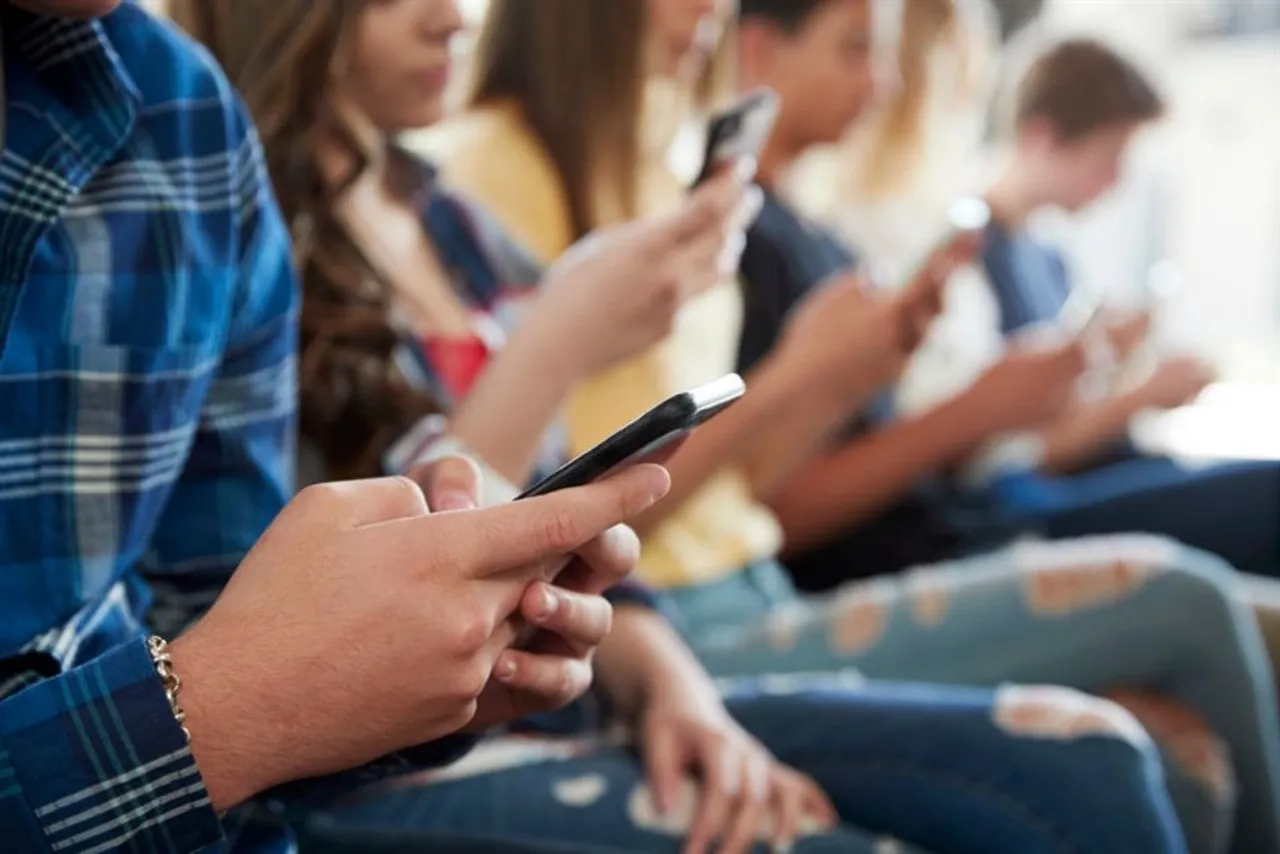
In the fall of 2017, I received a call from the FBI. This was a first for me. The investigator told me that the agency had recently arrested an alleged pedophile and confiscated his computer. On it, they found photographs of a boy wearing a shirt with the logo of my former school. The investigator mentioned some potential names of students but none sounded familiar. To help verify the identity of the child in the photo, the agent asked if she could come to school to show it to me. When she arrived and handed me the photo in question, my stomach dropped. Sure enough, the boy wearing the school shirt was from our school. I cannot begin to describe the awful feeling of knowing this was one of our children. It was no longer theoretical. It had become real and personal.
The recent news coming out of the SAR Academy, and what I experienced a few years ago, sadly confirms the reality that although the world is generally a safe place, our children can be exploited.
In both cases – the one involving my former student and allegedly, the actions of a Middle School rabbi at SAR – victims were contacted over the internet by adults, posing as a young girl. These incidents should be a clarion call to all parents and educators to closely supervise our children’s use of technology and, specifically, social media.
To be clear, the Internet and social media are neither good nor evil. They are what we make of them. When the full power and potential of Web 2.0 and social media came onto the scene, the potential for good seemed endless. People from all walks of life talked about the power of these tools to democratize information and ideas; to unleash creativity, and to connect human beings around the globe. At that time, many schools embraced the use of technology as a powerful learning tool, permitting almost unlimited use of the devices without fully grasping its potential dangers.
You see, the dark side of the Internet, smart phones, and social media wasn’t immediately apparent. We know a lot more today, and I cannot stress enough how important it is for parents to limit access to screens. For starters, early educators are reporting that parents are spending less time reading to children, leaving the screen to do the talking, instead of giving children the opportunity to hear language and intonation through parents reading to them. Younger children have devices put in front of them in cars, at restaurants, and too often, at home. The result is that younger children do not know how to make eye contact when speaking with others, and their social skills are diminishing. This leads to all sorts of potential issues both in and out of school.
Almost all schools, including Schechter, have had to address cyber-bullying, and instances of students taking inappropriate photos and posting them online. No matter how many times our children are told that inappropriate photos and comments posted on the Web remain there forever and can have negative ramifications in getting into colleges and getting jobs, they are developmentally too young to internalize future consequences. For older children and teens, the social and emotional toll social media can have on them cannot be understated. The overuse can lead to addiction, depression, and even suicide.
It is not okay for us – parents or educators – to throw up our hands in defeat, claiming it is too hard to control. It is our moral imperative for the safety and emotional welfare of our children to limit the use of technology; to raise the age at which we give smart devices to our children, and to closely monitor their activity, even in high school. It may be easier in the immediate term to give in, especially when our children whine that “everyone else” has them. It may feel easier to just “trust” them, and not be vigilant. The potential cost of compromising our children’s emotional, social and physical safety is way too high. The National Center on Sexual Exploitation has published a robust list of technology solutions & filtering tools.
In a “perfect” world, children would not be given smart devices until at least the eighth grade, a recommendation many childhood experts support. Delay it as long as possible, but no earlier than the sixth grade. If they have them now, it is imperative that parents limit their use, and check daily on the apps our kids are using. Pre-teens should NOT be on social media – period! They are too young to use it wisely or appropriately. Interestingly, a growing number of techies in Silicon Valley are not permitting their children to have devices at all, for they know better than most about the dangers and pitfalls when children gain access too young.
When used properly and under adult supervision, the Internet and social media can still be forces for good, as well as forces for deeper learning. We will continue to use these devices and tools responsibly at Schechter and teach our students responsible use. What will you do?

Schechter Bergen admits students of any race, color, national and ethnic origin to all the rights, privileges, programs, and activities generally accorded or made available to students at the school. Schechter Bergen does not discriminate on the basis of race, color, national and ethnic origin in administration of our educational policies, admissions policies, scholarship and loan programs, and athletic and other school-administered programs.